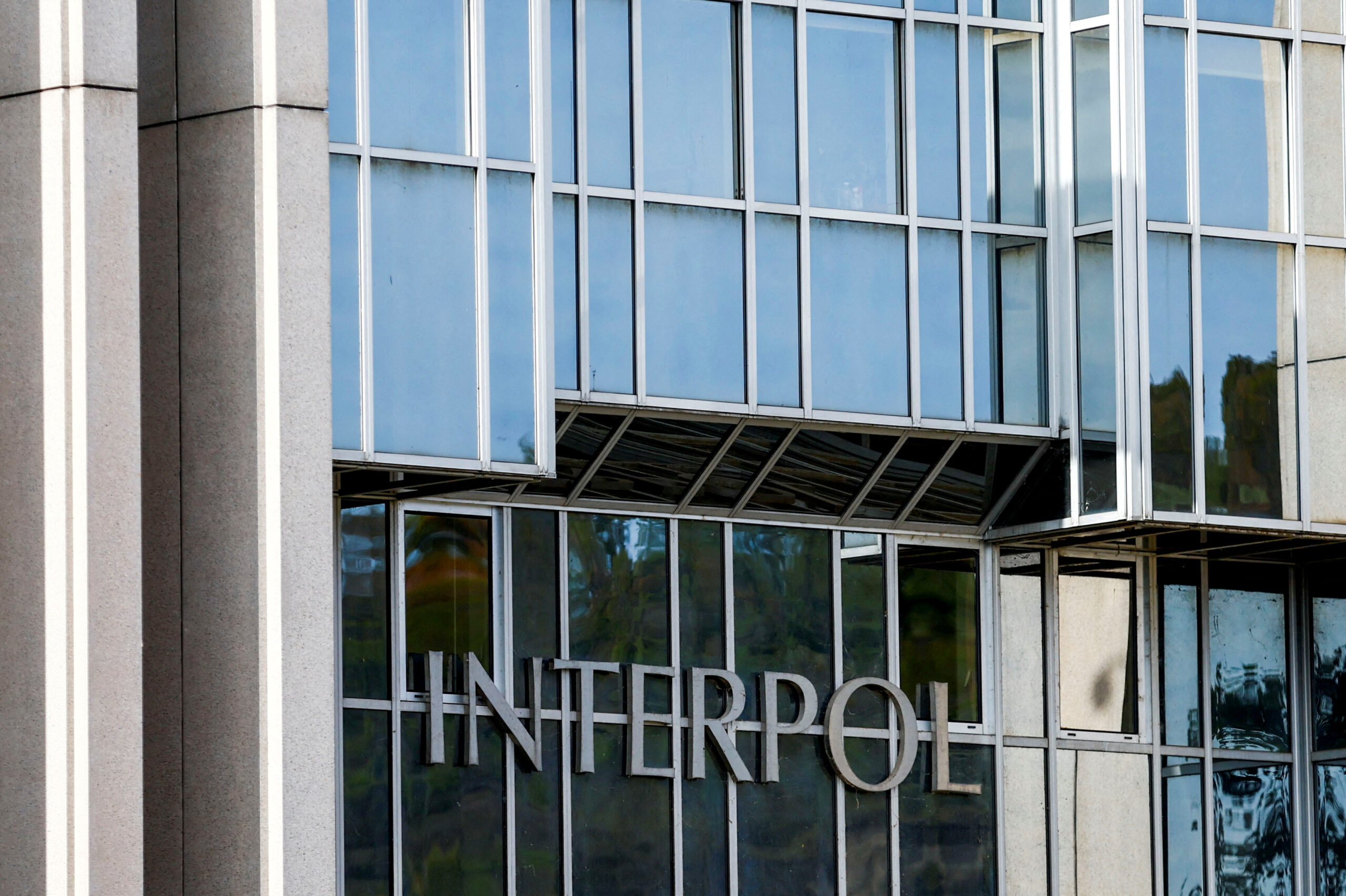
Understanding Interpol and Red Notices: Human Rights Implications
In a world increasingly interconnected through globalization, the role of international law enforcement agencies has become crucial. Among these agencies, Interpol stands out as a pivotal player in facilitating international police cooperation. One of the most discussed tools in Interpol’s arsenal is the Red Notice, which serves as a request to law enforcement worldwide to locate and provisionally arrest individuals pending extradition. However, the application of Red Notices raises significant questions regarding human rights, legality, and the ethical implications of international law enforcement. This article delves into the multifaceted aspects of Interpol and Red Notices, emphasizing their impact on human rights and the necessity of legal representation, especially in dire situations involving potential human rights violations. For those seeking justice, consulting a Interpol & Red Notice Human Rights Defense Human Rights Lawyer can be crucial in navigating these complex waters.
What is Interpol?
Established in 1923, Interpol (the International Criminal Police Organization) facilitates international police cooperation. With 195 member countries, it acts as a hub for sharing information on criminal activities, fugitives, and threats across borders. Its mission focuses on combating transnational crime, including terrorism, human trafficking, drug trafficking, cybercrime, and more. However, despite its noble mission, Interpol has been criticized for allegedly abusing its resources, particularly concerning politically motivated prosecutions and human rights violations.
The Mechanism of Red Notices
A Red Notice is not an international arrest warrant but rather a request to law enforcement to locate and provisionally arrest an individual based on the request of a member country. It can be issued for various reasons, ranging from serious criminal offenses like murder or fraud to politically motivated charges that may not have sufficient evidence. Its legal character is somewhat ambiguous; while it serves as a request to apprehend individuals, there is no obligation for member states to comply with Red Notices. Each country has the discretion to assess whether a Red Notice aligns with its domestic laws and international obligations.

Human Rights Concerns and Misuse
The Red Notice system has come under scrutiny for its potential misuse. Critics argue that authoritarian regimes may exploit the process to target dissidents, political opponents, or activists living abroad. This misuse has raised serious concerns about the protection of human rights. For instance, individuals could face arbitrary arrest, custody, and extradition to countries where they may face torture, unfair trials, or even the death penalty.
The Council of Europe and various human rights organizations have called for reforms to ensure that Red Notices are not used for political purposes. In 2011, Interpol introduced new rules aimed at preventing the abuse of its notices for political reasons. Despite these reforms, issues persist, as enforcement actions based on Red Notices can occur with little oversight or accountability, leaving individuals vulnerable to potential injustices.
The Legal Framework and Safeguards
Interpol has established a set of criteria for issuing Red Notices, which includes a requirement for compliance with international human rights standards. Nonetheless, enforcing these safeguards remains challenging. The balance between effective policing and the protection of individual rights continues to be a contentious issue. Legal representation plays a pivotal role in protecting individuals subjected to these notices. A skilled Human Rights Lawyer can provide invaluable assistance by ensuring that individuals know their rights and advocating against potential abuses.
Moreover, the legal landscape around Red Notices differs from country to country, with some jurisdictions having established mechanisms to challenge the validity of these notices. However, in many instances, individuals may not have the necessary resources or knowledge to defend themselves effectively, further complicating their situations.
Case Studies and Illustrative Examples
Various high-profile cases illustrate the potential human rights risks associated with Red Notices. For instance, the cases of Julián Assange and various political activists have raised questions surrounding the use of Interpol actions and the broader implications for freedom of speech and political dissent. In addition, the high-profile cases of former officials from countries embroiled in political crises often highlight how Red Notices can target individuals for politically motivated charges that lack substantial legal grounding.
The Role of Legal Representation
The necessity of effective legal representation cannot be understated when dealing with Interpol Red Notices. Individuals facing such notices may find themselves navigating a complex legal landscape with severe consequences, including extradition to potentially hostile jurisdictions. A qualified lawyer can help individuals understand their rights, communicate with law enforcement, and build a defense against potentially unjust charges.
In many cases, proactive legal strategies can result in the withdrawal of Red Notices or even the dismissal of extradition requests. Given the backdrop of international law, human rights law, and criminal law, specialized knowledge becomes invaluable in mount defenses that protect individuals from persecution.
Conclusion
The intersection of Interpol’s Red Notices and human rights is increasingly important in today’s globalized world. While the intentions behind Interpol’s mission are laudable—enhancing international police cooperation and combatting transnational crime—it cannot overshadow the critical need for human rights protections. As the potential for abuse remains, raising awareness about the implications of Red Notices is paramount, especially for those who might be unjustly targeted. Engaging a Human Rights Lawyer is essential for safeguarding rights against unlawful or politically motivated charges, ensuring that the principle of justice prevails in all corners of the world. As the system stands, continuous dialogue, reform, and advocacy remain vital to harmonizing effective law enforcement with the protection of fundamental human rights.